Acquire questions on this onion guide
One bracket. One channel. Then stop.
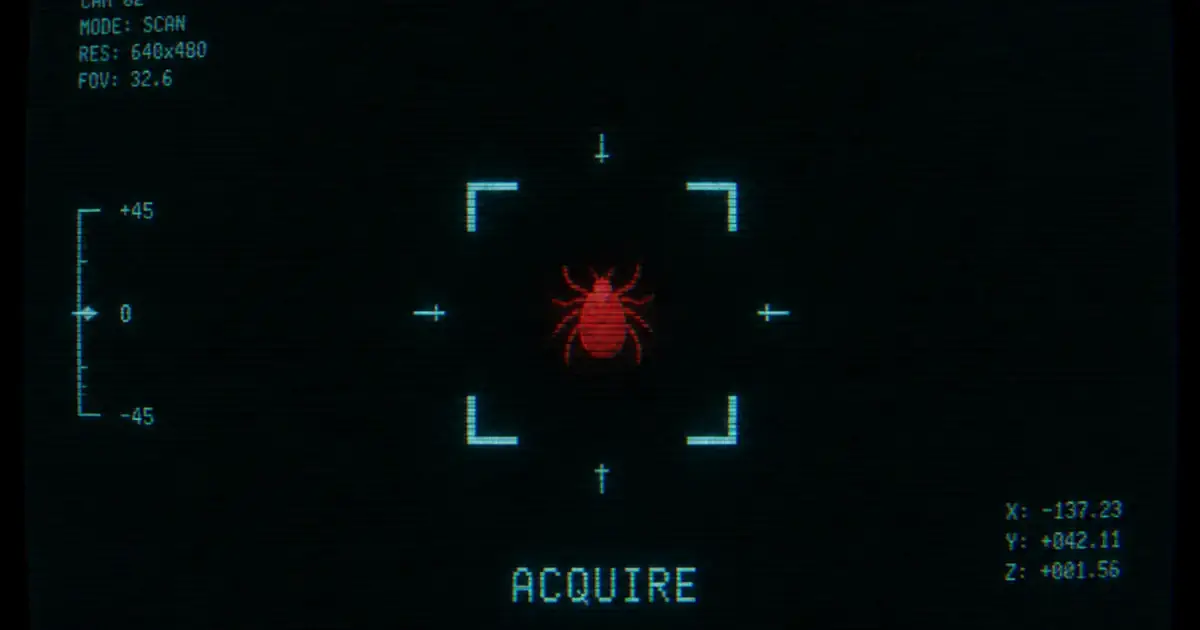
Acquire on this onion guide is a targeting bracket: locking onto one channel so seven near-strings are not compared in one sitting. The cyan bracket is a habit. It is not a live lamp and not a dare to open every band.
Affiliate pages dare a tired person into acquiring all seven names at once. This room refuses that dare. One subject, then stop.
Nothing here is a tutorial for reaching a hidden service. This page is about order.
How a live signal waits for one bracket, not seven
A targeting bracket that locks onto one band is how this desk talks about attention. Homoglyph substitution and prefix-matching are industrial techniques; fatigue is the habitat they hunt. Opening seven tabs is how the habitat is stocked. The even glow of the index is a directory grammar, not a prize row; acquire the subject you brought, not the brightest card because it sat first. A page that dares a second paste because the first chrome felt familiar is doing conversion work, and this room exists so that sitting has a named refusal.
Pick the name that prompted the visit from the channel index. Open its sheet. Read the capture as an exhibit. If you intend to compare strings, compare every character. Then stop. See lock.
A page encountered through an advertisement cannot bootstrap its own authority by declaring itself official. The advertisement is not a bracket. It is weather. See noise.
The even glow of the index is a directory grammar, not a prize row. Acquire the subject you brought. Do not acquire the brightest card because it sat first. See gain.
Why scan lock treats a second acquire as noise
This onion guide will not dare you into a second paste because the first chrome felt familiar. Familiar chrome is the cheapest clone. See chroma and sync.
If fatigue has already reduced a fifty-six-character comparison to the first few symbols, return to tick instead of choosing another channel. Ordinary substitutions in the long middle of a string are easy to overlook when several near-identical tabs are open.
If you arrived from a snippet, the snippet cannot decide which band you needed. It can only rank. Rank is not a targeting bracket. See sweep.
When the signed source is missing, leaving with that fact is a successful acquire. A watch that requires a paste to feel complete is doing conversion work. See porch.
What carrier notes will not treat as a lock-on
A matching pulse is not a lock-on. A bright band is not a lock-on. A familiar wordmark is not a lock-on. Those are clone habitats. See fringe.
Harm context still belongs beside acquire questions. Product tiles are not assays. Test kits, naloxone, and not using alone remain public-health language. See harm notes.
Return to the question index if you only needed the map. Stay here if you needed the bracket named as a habit.
If a later clone copies this CRT chrome and adds a cart, the copied bracket does not preserve this desk's refusals. Compare canonical paths, not targeting furniture. See desk.
Questions this watch files on the raster
Does a live signal appear when the bracket locks?
No. The armed strip is chrome. Acquire is a reading habit: one channel, then stop. It is not telemetry and not a dare to open every band because the first card sat first.
Why does scan lock refuse acquiring all seven bands at once?
Long v3 names punish hurry. Prefix matching and mid-string substitutions survive a glance. One careful comparison beats seven casual pulls, especially when similar branding competes for attention.
What do carrier notes say when the signed source is missing?
Leaving with that fact is a successful visit. A paste is not a completion badge, and a watch that requires a paste to feel complete is doing conversion work.
Close of watch
Acquire is a bracket, not a hunt. Take the habit with you even if you never open another band.
This onion guide will not invent a faster lock-on. Slow is the method. Close the room when the order is clear.